A toxic recipe for Growth

US net migration turned negative in 2025, marking the first time in over 50 years that more people left the country or were deported than arrived,

The Trump administration is implementing an "America First" economic policy. While designed to protect domestic industries and workers, critics argue these actions risk isolating the U.S. economy.

Other countries are forming new trade alliances: Listen to the speech from Carney in Davos. https://www.youtube.com/watch?v=69wfpaqv8Oc

Now ask AI ChatGTP: if the US becomes isolated, trade partners forming other alliances like Canada as per recent Davos speech by Carney, and simultaneously immigration becomes negative, then what do you expect, will the US show a rising GDP, as a result of these policies.

And the answer AI provides: Why this combo is economically toxic

So what should US investors do?

here is what AI suggests that you should do:

If the US really moves toward more isolation + weaker immigration, the big picture for investors is: expect lower trend growth, higher inflation risk, and more volatility.

That doesn’t mean “sell everything.” It means stop investing like the 2010s (cheap global goods, falling rates, easy globalization).

The core shift

You’d want to tilt toward assets that do well in:

  • higher inflation

  • supply shocks

  • higher-for-longer rates

  • more geopolitical fragmentation

  • lower labor force growth

What US-based investors should consider (practically)

1) Don’t be US-only
Even if you live in the US, being 90–100% US equities becomes riskier in an “America alone” world.

A healthy allocation to:

  • developed ex-US (Europe, Japan)

  • selective emerging markets
    can reduce the “single-country regime risk.”

2) Favor real assets and inflation-resilient exposure
Not meme stuff — boring, proven hedges:

  • energy producers

  • pipelines / midstream

  • industrial commodities

  • gold (as a policy/fragility hedge, not because it “goes up forever”)

  • some real estate only if it’s not rate-sensitive junk

3) Be careful with long-duration assets
If isolation and labor shortages keep inflation sticky, then:

  • long-term bonds

  • high-multiple growth stocks

  • speculative tech
    get hit harder.

You don’t have to avoid them, but you should size them like “risk assets,” not like safe defaults.

4) Quality matters more
In a higher-cost world, companies with:

  • pricing power

  • strong balance sheets

  • stable demand

  • domestic supply control
    tend to outperform.

Think: boring cash generators, not “growth at any price.”

5) Defense, infrastructure, and reshoring themes can be real
If trade breaks down, governments spend more on:

  • defense

  • semiconductors

  • grid upgrades

  • domestic manufacturing capacity

Those are long-cycle themes, and they’re politically durable.

6) Keep some dry powder
In volatile regimes, having:

  • cash

  • short-term Treasuries

  • T-bills
    is not “missing out” — it’s optionality.

What I would not do

  • Bet everything on “US collapse” (that’s usually a losing trade)

  • Go all-in on gold/crypto as a religion

  • Assume tariffs automatically mean US manufacturing wins (they can also just mean higher prices and lower efficiency)

A simple portfolio mindset for this regime

If the world shifts this way, the winning approach is usually:

diversify globally + tilt to real assets + avoid duration risk + own quality + keep liquidity.
3 Likes

All else being equal less people means less total economic activity (even if activity is higher per capita). The thing is right now AI investments are very high and therefore so is GDP. We shall see how the year goes.

“According to Nationwide Economics’ calculations, business investment in software, IT equipment and structures that consists significantly of artificial intelligence and data centers was responsible for an outsized 30 percent of GDP growth in Q2 2025” it has accelerated drastically since

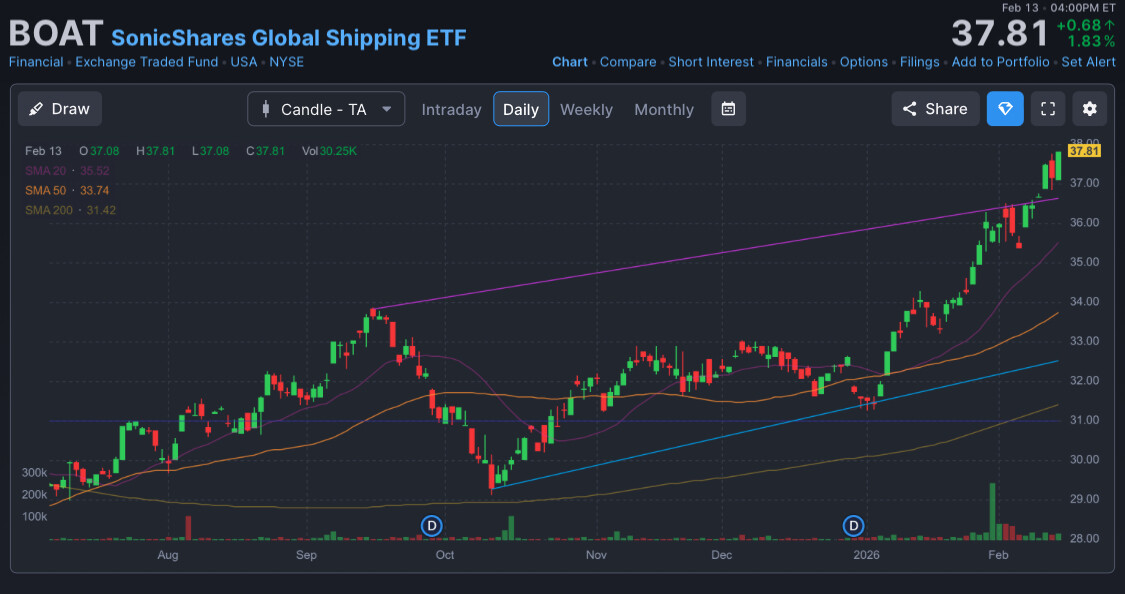
Global shipping has been on fire too so hard to say trade is weak globally at least. Either market is clueless( possible) or trade will be great

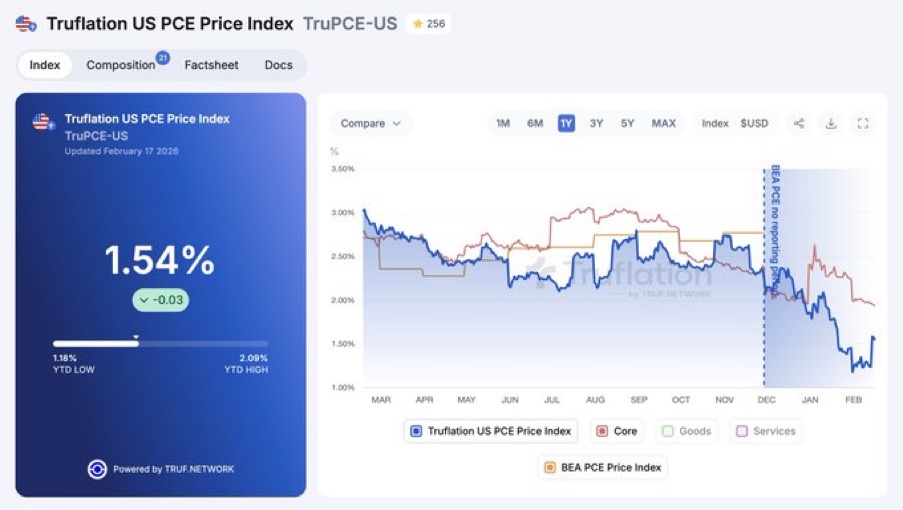
Consumer inflation is very low (remember lower demand can also affect prices downward) so high duration treasuries are rallying- I would be very careful investing based on short AI prompts. It could be right, but does not seem to fit the data atm

US stocks are off to their worst start versus the global market since 1995