I honestly don't know what the story is, but it is not just a story about MU perhaps.
MU is cointegrated (moves with) SOXX (semi-conductor ETF) according to PortfolioVisualizer. And SOXX is it down, too:
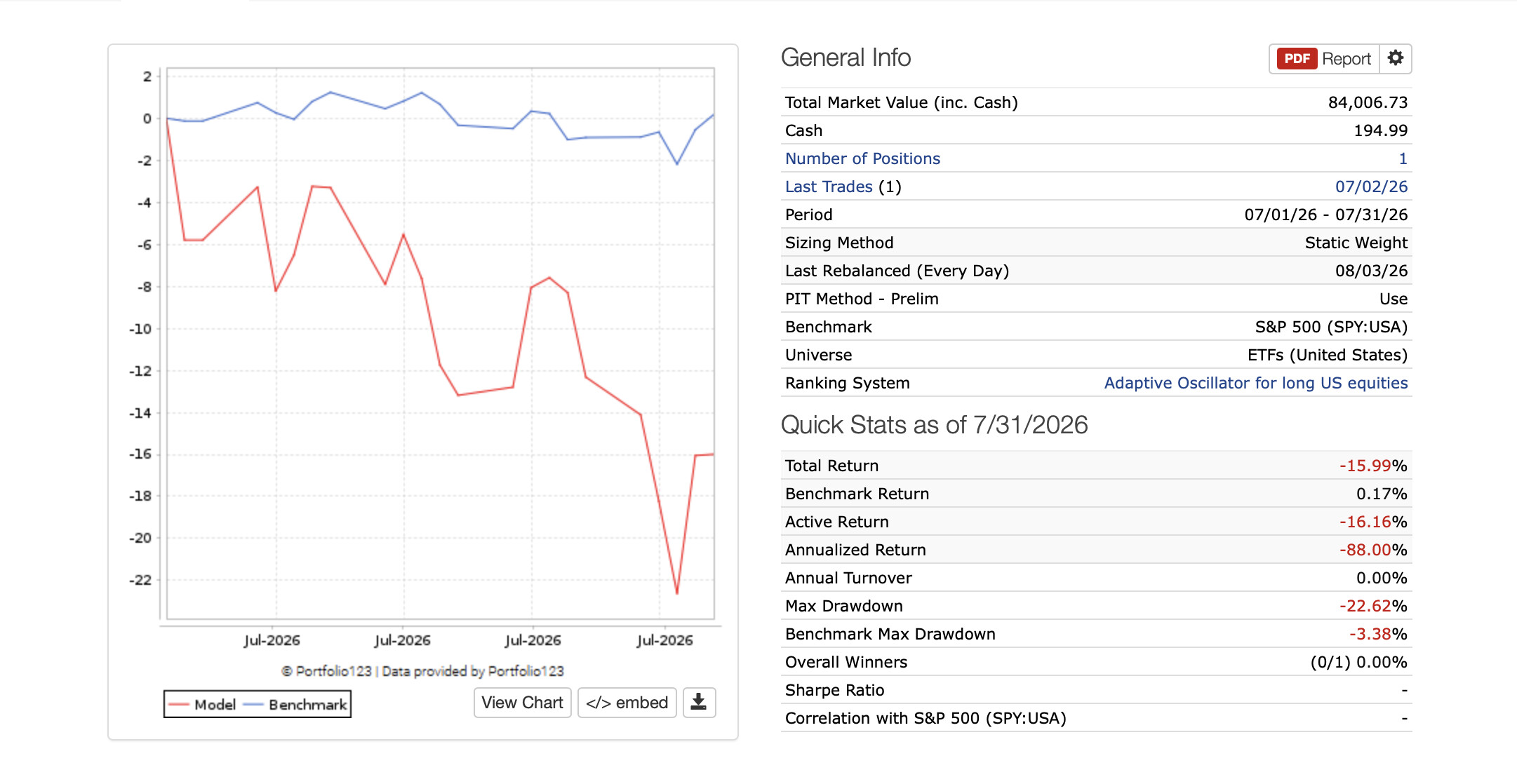
Here is SMH (lower cointegration that does not match MU as well):
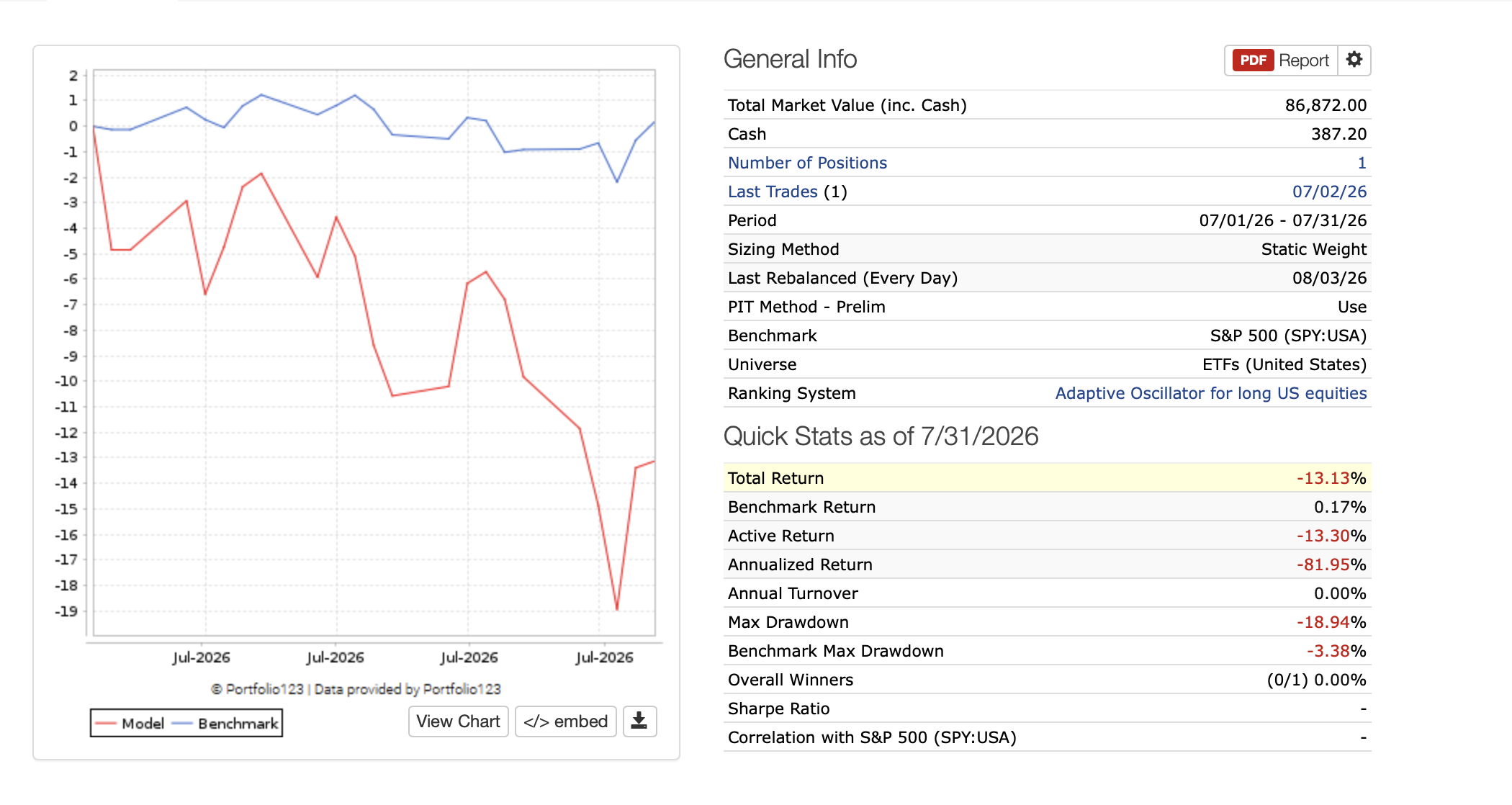
MU is not underperforming these benchmarks (SOXX and MU both down 16% over the last month):
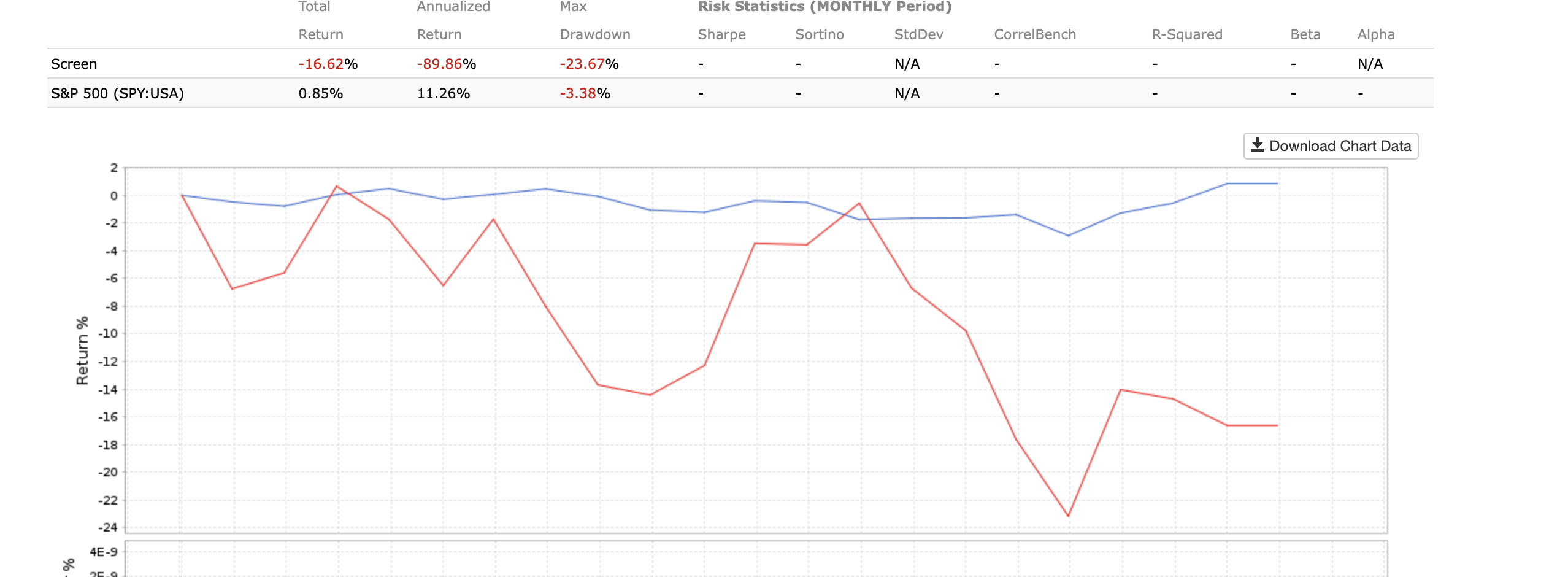
Its not just that they are both down 16% but the cointegration proves (mathematically) that MU is not behaving abnormally here.
I asked Gemini's input on this (relative spread being what cointegration measures):
"The core point is that the relative spread between MU and SOXX hasn't broken down. This 16% dip is a systematic semiconductor factor drawdown, not an idiosyncratic failure in Micron's fundamentals."
BTW, my point here was that SOXX would have been a good hedge for MU over the last month,--in part because of the cointegration between the MU and SOXX: The market is approaching its peak; how can one achieve an effective and cheap hedge? - #20 by Jrinne
Shorting SOXX would have worked well as a hedge for MU over the last month. Totally market neutral over the last month (minus borrowing and transaction cost with equal weight).
Gemini again:
Yes, cointegration is a foundational technique in quantitative finance for designing ETF-based hedges, particularly within statistical arbitrage, market-neutral equity strategies, and factor-hedging frameworks.
While traditional portfolio management often relies on beta hedging (matching short-term return variance), quantitative traders use cointegration hedging to construct stationary, mean-reverting price spreads between individual stocks and sector ETFs.
Personally, if (or when) I hedged, I would use cointegration and correlation to help decide which ETFs or stocks to short. Presumably, more than one ETF or stock--hedging more than one holding. Maybe being selective on which stocks to hedge based on holding too many stocks in a sector, stocks at risk, volatile holdings etc.