Just a quick update on our progress so far, and when we hope to launch in production. As you may already know we have made a beta version available on Aug 24 2026, so closing in on one month.
Several things are pushing the release out for at least another month. Here's a few:
Some Asian stocks have splits and dividends on the same date. We were not properly handling this and it has never been a real issue since the impact was very small in USA when it happened. We only noticed recently because in Japan some stocks have had huge splits, like 500:1, and a dividend expressed in terms of pre-split units. This caused a backtest to show huge gains. This issue has been resolved both in beta and production.
The variable slippage algorithm, the default in portfolio strategies, is completely incompatible with Asia. Specifically the (strange) "base slippage" component of variable slippage produces extremely large slippage (like 30% and more) when the strategy is ran using USD. For example, ticker 20:HKG trades about $90 million a day USD and the base slippage is calculated as 6.2% because the price is 0.1613 USD, which is non-sensical and way too high. We are discussing a fix which likely will be to simply get rid of the "base slippage" component. For those that want a much better transaction cost model use the new algorithm called (unimaginatively) "advanced slippage".
We're spending more time that we thought with the update schedules to satify traders in different parts of the world.
We've spend most of the time tweaking our universes, and rethinking our Primary/Foreign Primary issue classification. (more on this very soon)
There's more of course. We now hope to launch Global data in production by the end of October.
Thank you for your patience and your feedback.
Cheers.
Note: just a reminder that the beta runs on a completely separate database and should only be used for testing.
Variable slippage is controlled purely by a new, tweaked table below, and without the problematic "base slippage" component. It estimates slippage purely on liquidity and should work well with 20K USD transactions (if your trade size is much larger use Advanced Slippage).
It seems to have fixed all the issues I was having with variable slippage and Asian stocks. We will release this very soon in production because variable slippage (our default) does misbehave in Europe sometimes.
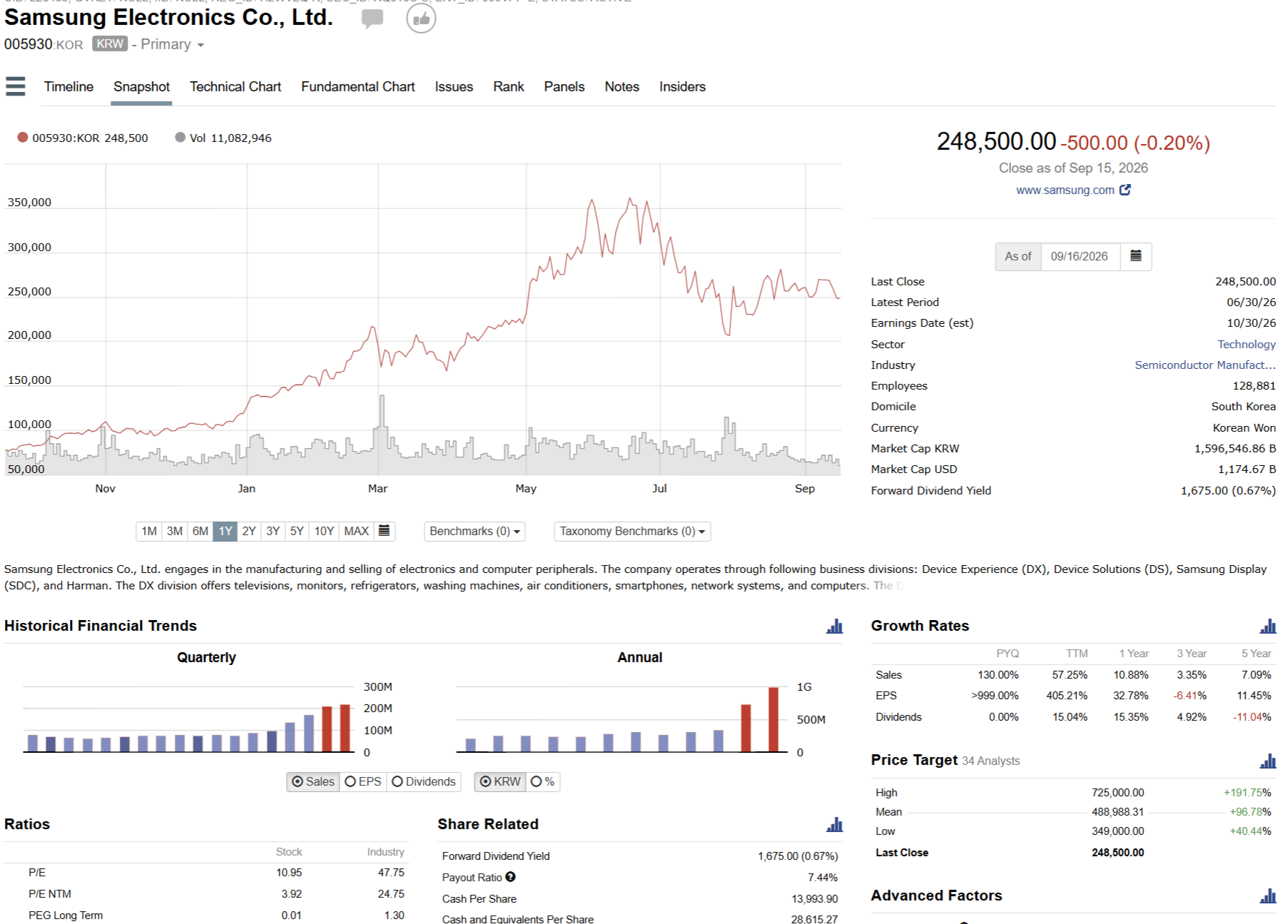
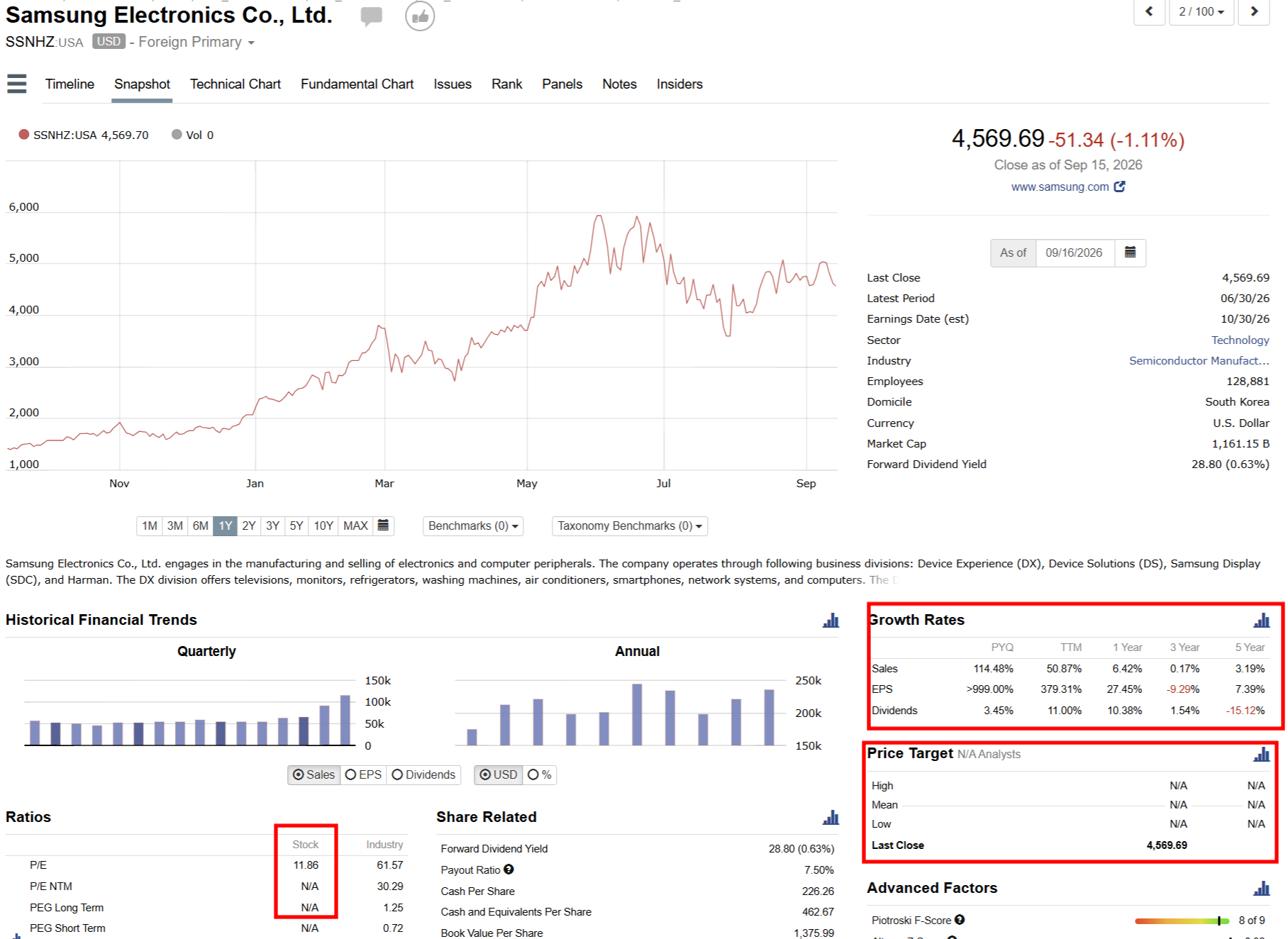
It's a completely different company. Never mind that analyst data is missing, the financial ratios are based on filings that have been converted to USD using the fx on the period end date by FactSet.
FactSet does this "service" for users that only have North America data. So in that sense it's a good service. But if you are trying to rank Samsung relative to other stocks in the USA you should use the Primary ratios, not whatever fictional company the FP represents full of NAs.
To replicate the universe "USA Including Foreign Primaries", but using Primary data, you will need to use a universe based on global primaries that filters for stocks that trade in the USA. This is all possible in the beta right now.
Thanks
NOTE: we plan to leave the FP universes in the USA and maybe Canada. There will be no universes with FPs in other regions
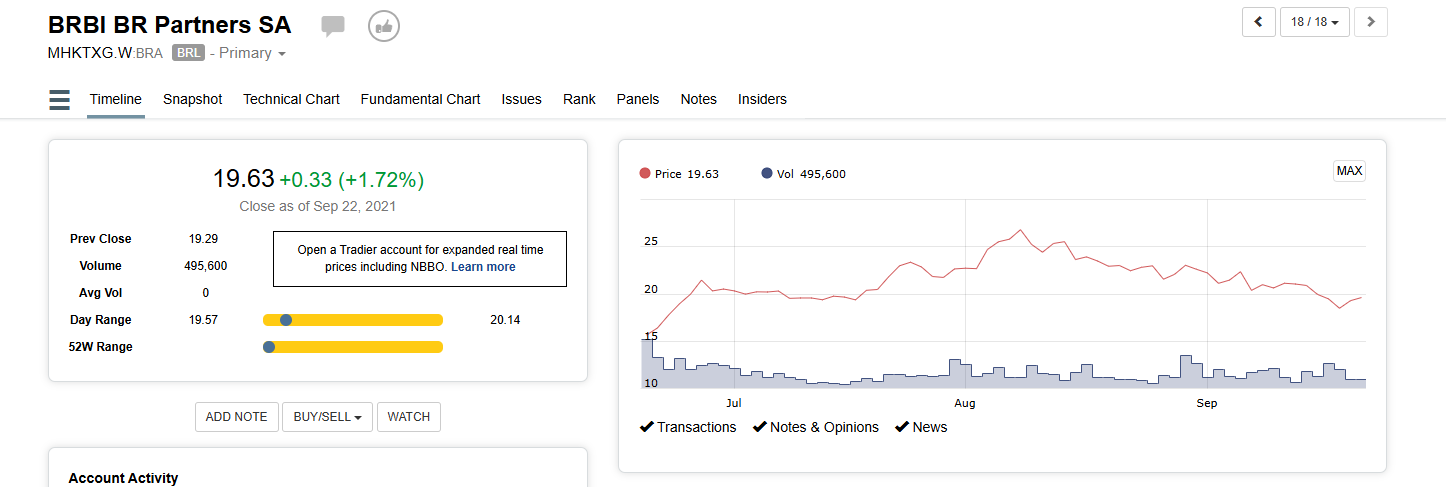
BRBI is an odd duck. The common shares don't trade on their own.
BR Partners' units, each made up of one common share and two preferred shares, are listed under BRBI11. That's the only line that trades in Brazil. B3's own listing page for BR Partners shows a single trading code, BRBI11, with ISIN BRBRBICDAM10.
There's no exchange-traded BRBI3 (ordinary) or BRBI4 (prefered). These shares only trade inside the unit.
MHKTXG.W-BR may be a synthetic placeholder rather than a real symbol.
There's also a US line. ADSs began trading on Nasdaq as BRBI on September 17, 2025, and each ADR represents four units!
I believe the mapping is;
Line
Identifier
What it is
ON shares
BRBRBIACNOR8 / MHKTXG.W-BR
Common shares, not separately traded
PN shares
BRBRBIACNPR5
Preferred shares, not separately traded
Units, BRBI11 on B3
BRBRBICDAM10
1 ON + 2 PN, the real Brazilian listing
ADS, BRBI on Nasdaq
US05616P1093
4 units each, priced in USD
Factset has fundamental data for primary ticker MHKTXG.W. I think that may be good enough for Research. For trading in Brazil, we'll need to map to non-primary BRBI11.
Thanks for the response. This structure, where units are traded instead of the underlying shares, is quite common in Brazil. Off the top of my head, examples include TAEE11 (Transmissora Aliança de Energia Elétrica), SANB11 (Banco Santander Brasil), BPAC11 (Banco BTG), and SAPR11 (Sanepar). There may be others as well.
Interestingly, TAEE11, SANB11, and BPAC11 are all in the FactSet database, but their underlying common and preferred shares are not. In the case of SAPR11, the database includes only the preferred shares (SAPR4). I suspect that FactSet may use a liquidity filter to determine which securities to include. Units are usually more liquid, but this is not always the case.
In Brazil, common share tickers end in “3”. Preferred share tickers usually end in “4”, but some companies have more than one class of preferred shares, with additional classes typically ending in “5” or “6”. The composition of units can vary: they may contain different types of securities, but they usually consist of a combination of common and preferred shares.